A China packaging sourcing project should compare suppliers by category expertise, sample discipline, artwork control, quality inspection, and export experience. The goal is not simply to find a container; it is to build a package that fits the formula, launch channel, brand position, and order quantity. For a procurement manager narrowing a long supplier list into a practical shortlist, a clear brief prevents most sourcing problems before they reach production.
Start by defining the product type, fill volume, viscosity, target market, sales channel, and expected user behavior. A travel-size tube, salon bottle, retail skincare bottle, or calculator-based sizing article may need different details, but each one still needs a practical link between design intent and manufacturing reality.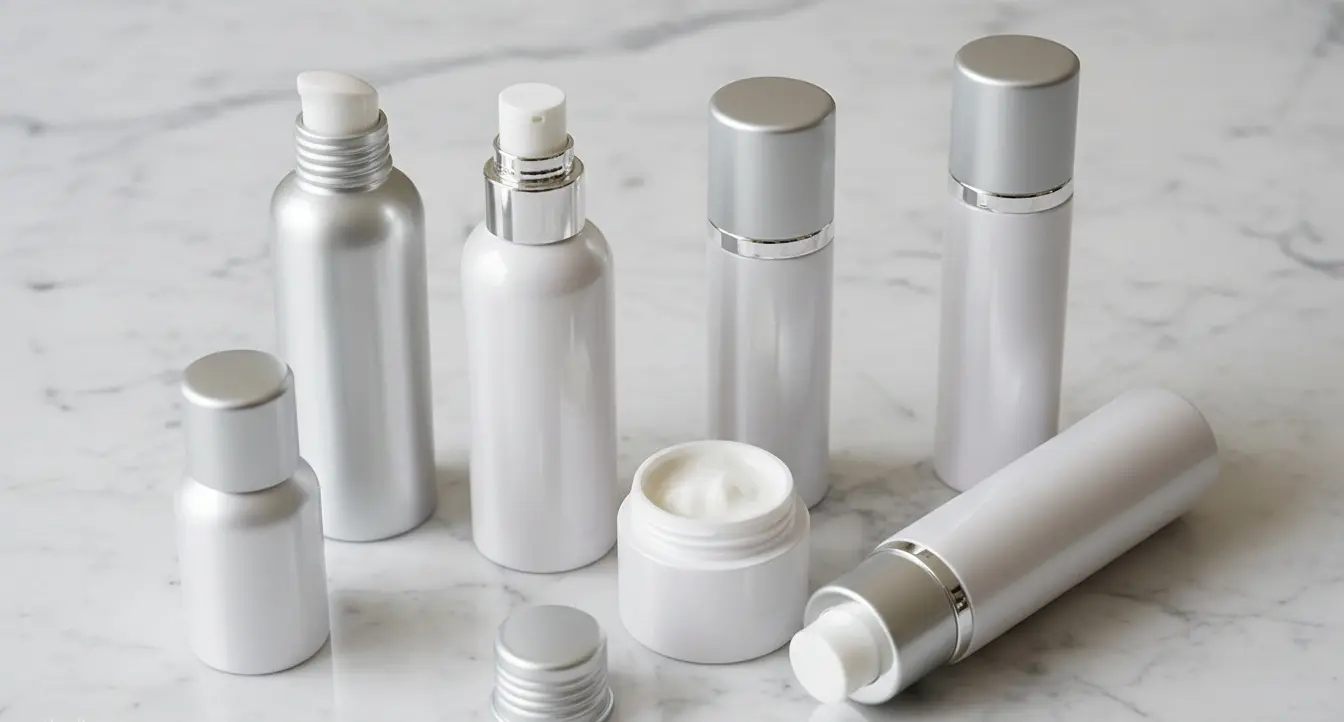
Common options include PE tubes, PET bottles, HDPE bottles, airless tubes, applicator tubes, lotion pump bottles, custom caps, printing, labeling, and carton packing. These choices affect cost, lead time, MOQ, decoration possibilities, shipment volume, and how the product feels in the customer's hand. Buyers should compare them with physical samples rather than relying only on catalog images or renderings.
At the sourcing stage, buyers can use ASME as a practical reference for available packaging families, service scope, and customization routes. The link should support the decision process, but final approval still needs drawings, samples, filled-product checks, and written specifications.
Supplier selection should be evidence-based. A strong supplier can explain material choices, closure compatibility, printing limits, sample timing, defect standards, and packing methods. For China sourcing or bulk orders, communication quality and documentation discipline are just as important as factory capability.
A complete specification should include capacity, dimensions, resin, cap or pump type, decoration method, artwork version, carton plan, inspection criteria, and delivery requirements. For this topic, pay special attention to sample-to-bulk consistency, color matching, cap fit, artwork files, inspection method, lead time buffer, and shipping documentation. These details make quotes easier to compare and reduce surprises after mass production begins.
Sampling should happen in stages. Empty samples check shape, wall feel, closure fit, label area, and hand comfort. Filled samples reveal leakage, staining, pump response, squeeze recovery, and compatibility concerns. Decorated samples confirm logo size, color matching, foil placement, label adhesion, and surface durability under handling.
For converter or calculator topics, the same principle applies: the number is only useful when connected to a real package. ml, oz, tube capacity, and bottle volume should be checked against brimful capacity, usable fill volume, closure displacement, headspace, and final label rounding. Always confirm with a filled sample before approving artwork.
Quality control should be written into the order before bulk production. Useful checks include dimensions, cap torque, pump function, sealing, print registration, color consistency, scratches, carton protection, and random inspection after packing. Keep approved samples and final documents so future reorders can match the original standard.
Commercial planning matters too. MOQ, tooling cost, setup fees, sample cost, production lead time, freight volume, and inventory risk can change the best choice. Startups may prefer stock molds with custom printing, while established brands may benefit from custom tooling or coordinated packaging families.
The best recommendation is to treat cosmetic packaging manufacturers in china: buyer guide as a structured packaging decision, not a loose search for a supplier or size. When the brief, sample process, quality standard, and delivery plan all align, the final packaging is more likely to protect the formula, look credible, and support repeat production.